
what does its means ? does demonization will happen again the answer is
– No
understand india’s step toward polymer currency
indian government continuously seek ways to improve its durability, security, and efficiency. In recent years, India has explored the possibility of introducing polymer banknotes as an alternative to traditional paper currency. While several countries have already adopted polymer notes, India is evaluating their potential benefits and challenges before implementing them on a large scale.
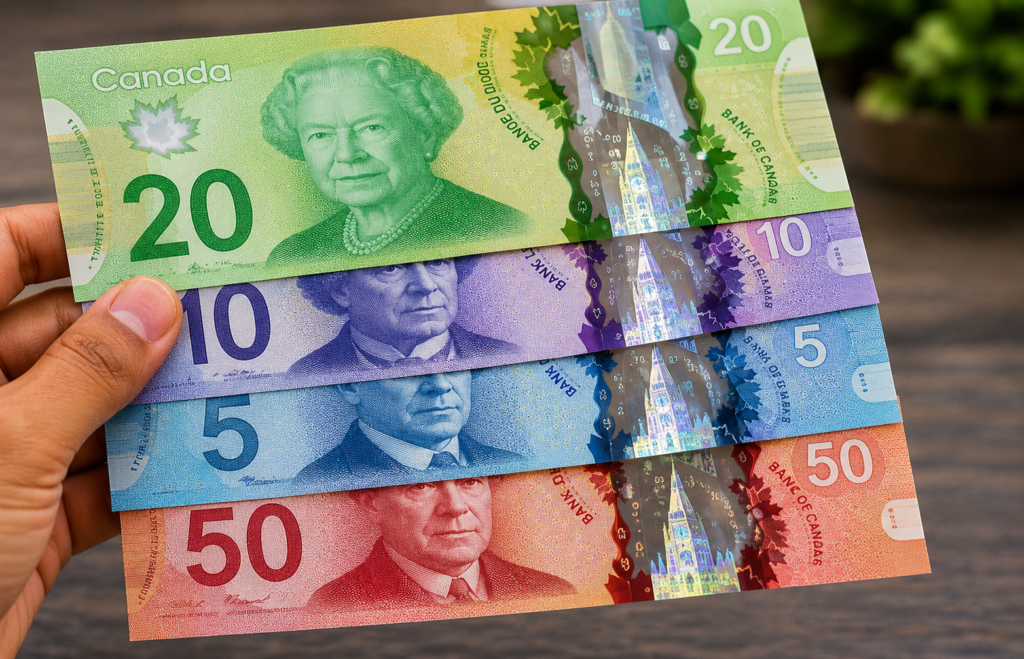
countries adopted polymer notes example : canada,Australia,Singapore etc
What Is Polymer Currency?
Polymer currency is made from a special type of plastic rather than cotton-based paper. First introduced by Australia in 1988, polymer banknotes are now used in countries such as Canada, the United Kingdom, New Zealand, and Singapore.
These notes are designed to last longer, resist damage, and offer enhanced security features that make counterfeiting more difficult.
Why Is India Considering Polymer Notes?
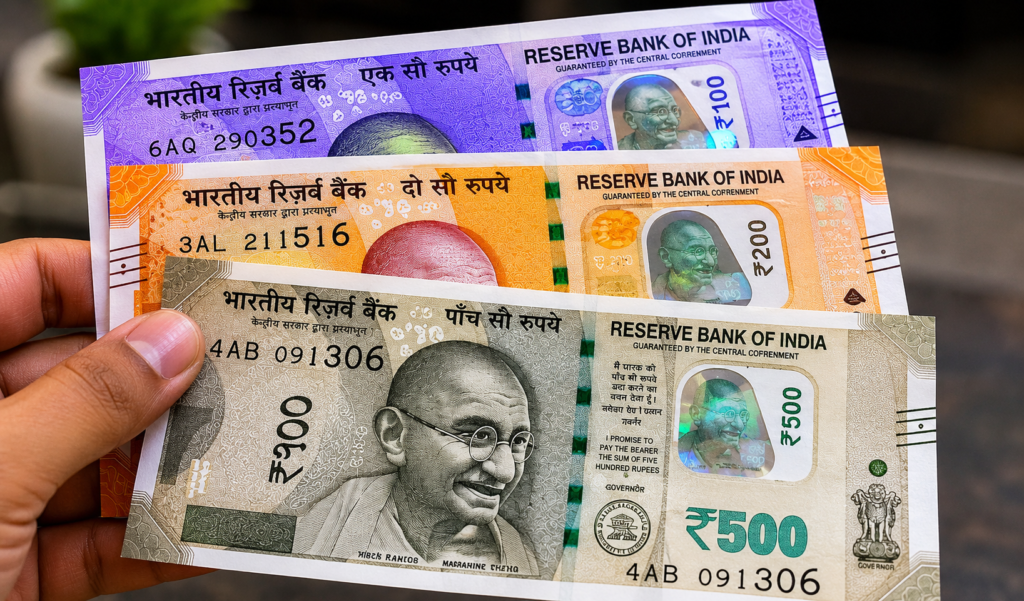
India handles billions of currency notes every year. Due to heavy circulation, paper notes often become torn, dirty, and worn out within a short period. Replacing damaged notes creates significant costs for the government and the banking system.
Polymer currency offers: Greater Durability,Improved Security,Lower Long-Term Costs,Better Hygiene .
The Future of Currency in India
India’s financial landscape is evolving rapidly through digital payments, UPI transactions, and fintech innovation. However, cash continues to play an important role in the economy, particularly in rural and semi-urban areas.
If polymer currency is adopted, it could represent a significant modernization of India’s cash infrastructure. Combined with digital payment growth, polymer notes could contribute to a more secure, efficient, and resilient financial system
Conclusion
India’s exploration of polymer currency reflects its commitment to improving the efficiency and security of its monetary system. While challenges remain, the potential benefits of longer-lasting notes, reduced counterfeiting, and lower long-term costs make polymer banknotes an attractive option. As policymakers continue to evaluate the transition, polymer currency may become an important part of India’s financial future.
